Spice Drawer
23/05/2019
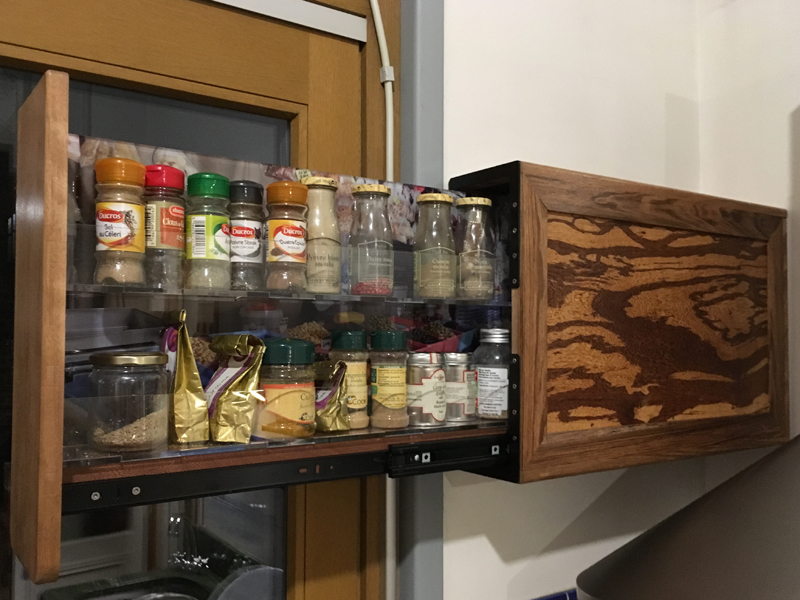
This project mobilized a full arsenal of tools.
For wood parts:
- jointer
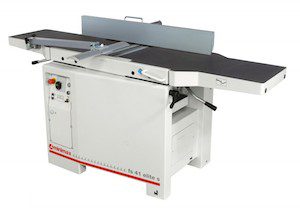
- planer
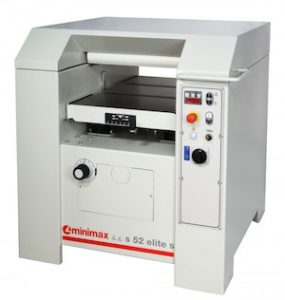
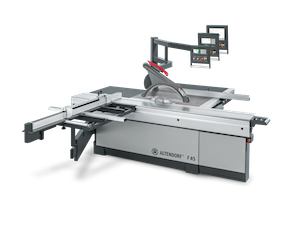
- table saw
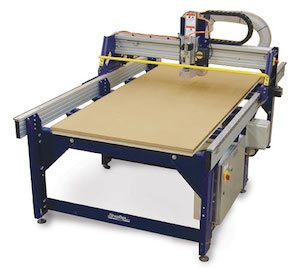
- CNC mill
For metal parts:
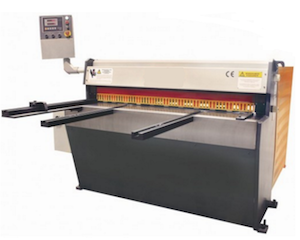
- electro-mechanical shear
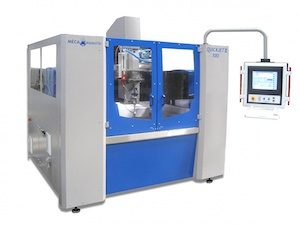
- waterjet cutting
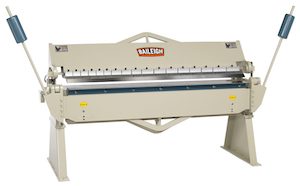
- bender
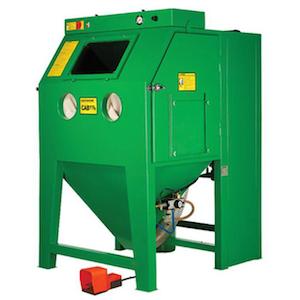
- sandblasting booth
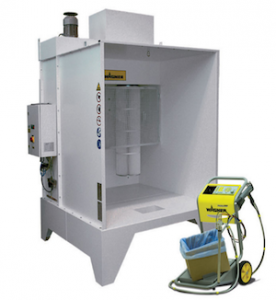
- epoxy paint booth
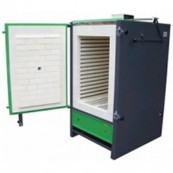
- oven
For interior:
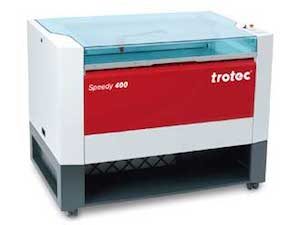
- laser cutter
- UV printer
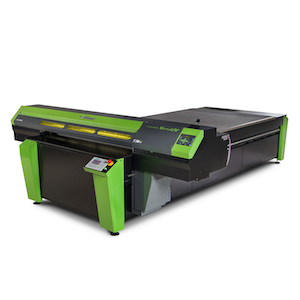
Among these machines at Lille’s TechShop, only the jointer, shear, bender, and sandblasting booth aren’t digital!
A Request with Two Simple Instructions
Using maximum machines wasn’t the goal but a consequence of constraints from the request. It was simple (seemingly), with two instructions:
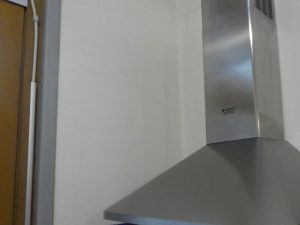
- store spices away from light in this corner:
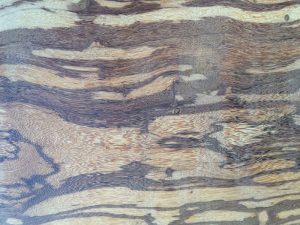
- use the exceptional solid snakewood slab:
before jointing:
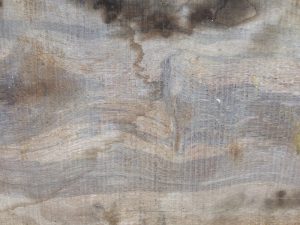
and after:
.
This request with two instructions is an excellent example of the "inspiration" stage described in the design process: the desired outcome.
The second instruction is easy to fulfill. The first is much harder and will require the use of many materials and thus the implementation of multiple techniques on various machines.
The overall shape of the drawer and its position in the intended space was easy to design, based on standard drawer slides, which were the only parts purchased ready-made.
Two complex mechanical constraints
Prevent deformation of the drawer block
Spice drawers already exist in industrial commerce, but the peculiarity of this one is that it is suspended on only one side of the drawer, creating asymmetric constraints with a risk of warping that could block the drawer's opening.
Hence the use of precisely machined metal reinforcements, cut numerically. One of these reinforcements is visible on the frame's edges when the drawer is open:
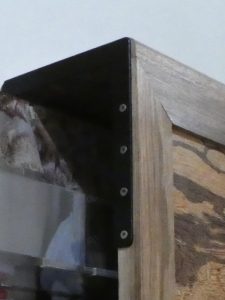
But there are also reinforcements in the frames and between the front face and the movable bottom of the drawer.
Ensure a flawless closure
Indeed, beyond maintaining the structure of the furniture body, the perfect orthogonality of the front facade relative to the drawer bottom must be controlled for a closure without gaps.
Ensure stable fixation
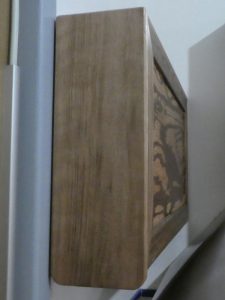
The attachment of the drawer to the intended location required a specific strategy due to limited accessibility and the need to offset to bypass the corner baseboard on the wall.
The chosen solution is a lightweight wooden frame, easy to attach to the wall independently, equipped with three protruding nuts on which the drawer is fixed via the metal reinforcements of the drawer body.
Creation and machining of metal structures
Naturally, these metal reinforcements are not available in stores. They were specially cut from a steel sheet using computer-controlled water jet cutting, then conventionally sandblasted and lacquered for a finish as perfect as that of the drawer slides.
The reinforcements ensuring the orthogonality of the drawer's front face relative to the bottom were also bent at 90º before being sandblasted.
The advantage of this digital manufacturing of reinforcements is having exact dimensions to precisely mill the notches into which they fit in the wood.
Manufacturing of the interior shelves
The movable bottom of the drawer, as well as the underside and top of the body, were also hollowed out by digital milling to reduce the overall weight. The same approach to achieving lightness was applied to the design and manufacturing of the interior shelves.
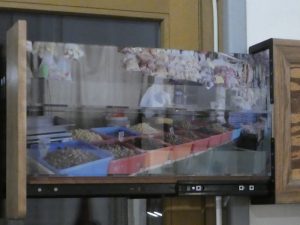
This internal structure is laser-cut from transparent plastic (polymethyl methacrylate). A photo of a Porto spice market is printed on its base before assembly.
An exceptional piece of furniture
The result is perfectly functional but above all exceptional, both due to the solid wood board with its unique patterns and its unparalleled commercial craftsmanship.
The whole represents a fine illustration of numerunique's ability to apply the benefits of digital processing across a wide range of fields and means.